



Our Expert says
When Should You Get an Emergency Loan?
An emergency loan can be a lifeline when you're facing an unexpected crisis but it's important to pause and assess your situation first.
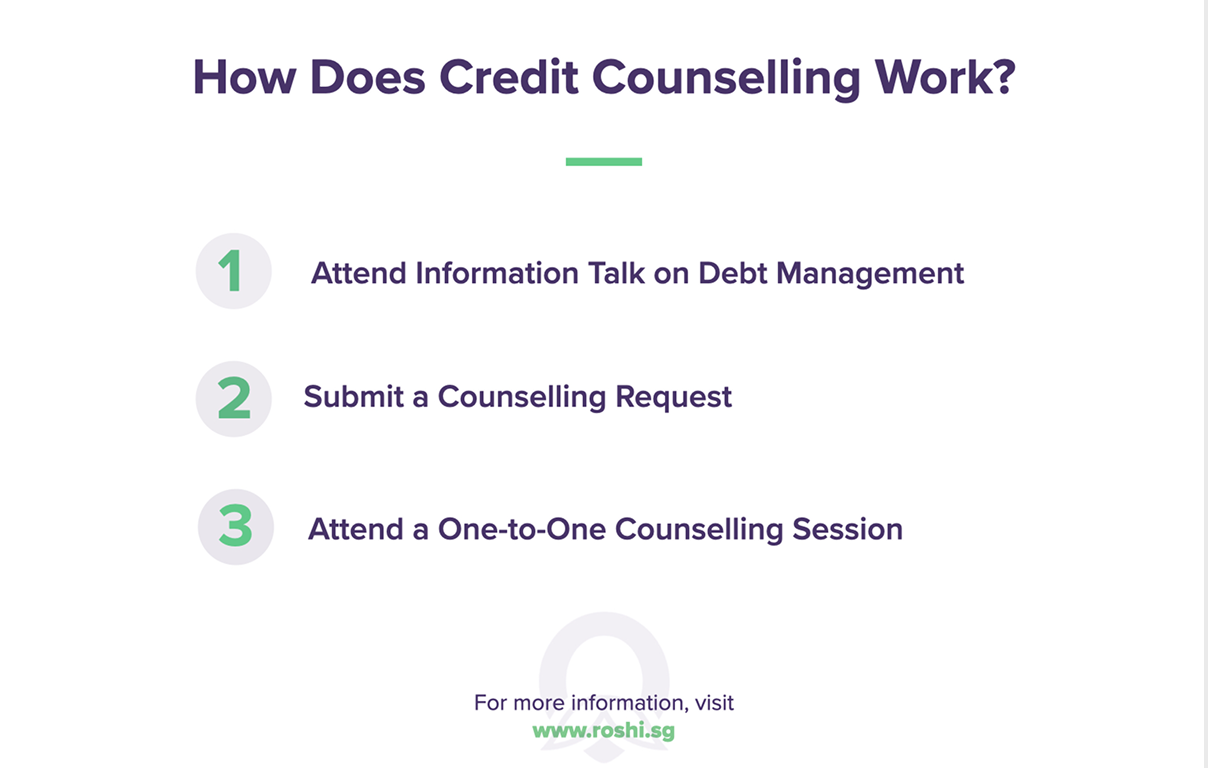
Ask yourself if this is a one-time emergency or a sign of a bigger problem? If it's the latter, consider speaking with a credit counsellor.
For real emergencies where you need money within hours, licensed moneylenders offer a faster alternative to banks. Just make sure you borrow only what you need and have a clear plan to repay.

Trinh Thanh
Head of Research

Borrowing Checklist
Answer these questions before applying:
Is this a real emergency?
Could this expense wait a few days? If yes, you may have time to explore bank loan options, borrowing from family or using savings.
Have I checked my savings first?
Even a small emergency fund can help. Check if you can cover part of the expenses without borrowing.
Can I repay this?
Use our loan calculator to see monthly repayments. Can you afford this on top of your existing expenses?
Am I borrowing only what I need?
Borrow the minimum needed as interest and fees can add up
Do I have a repayment plan?
Know exactly how you'll repay the loan amount at what date and from what account you’ll make the repayments.
Where to Get Help
Before taking a loan, consider seeking help:
CPF Withdrawal
You may be able to withdraw CPF for medical emergencies.
Learn more at cpf.gov.sgMedifund
Government assistance for medical bills if you can't afford them.
Check eligibilityCOMCARE
Financial assistance for lower-income households. Hotline: 1800-222-0000.
Learn moreCredit Counselling Singapore
Free advice on managing debt and finances. Hotline: 1800-225-5227.
Book appointmentInterest Rate Trends
Below is an overview of current interest rate trends in Singapore:
Today's moneylender interest rate trends in Singapore
Today's moneylender interest rate trends in Singapore - As of 11 March 2026, licensed moneylenders are charging an average interest rate of approximately
3.89% per month just under the legal cap of 4%.
Monthly Interest Rate Trends (March 2026)
Research updated by Trinh Thanh on 4 March 2026 - As March 2026 moves forward, Singapore’s emergency loan segment continues to reflect regulatory consistency. No revisions have been made to statutory interest caps or fee limits and lending conditions remain aligned with the existing framework overseen by the Ministry of Law.
Emergency borrowing activity remains steady, particularly among individuals responding to unplanned expenses such as medical treatments, urgent home or vehicle repairs and temporary income interruptions. Loan amounts around S$2,000 continue to be frequently requested, striking a balance between addressing immediate needs and maintaining manageable repayment commitments. Overall pricing patterns show continuity from February with no significant shifts in average monthly rates.
Licensed Moneylenders
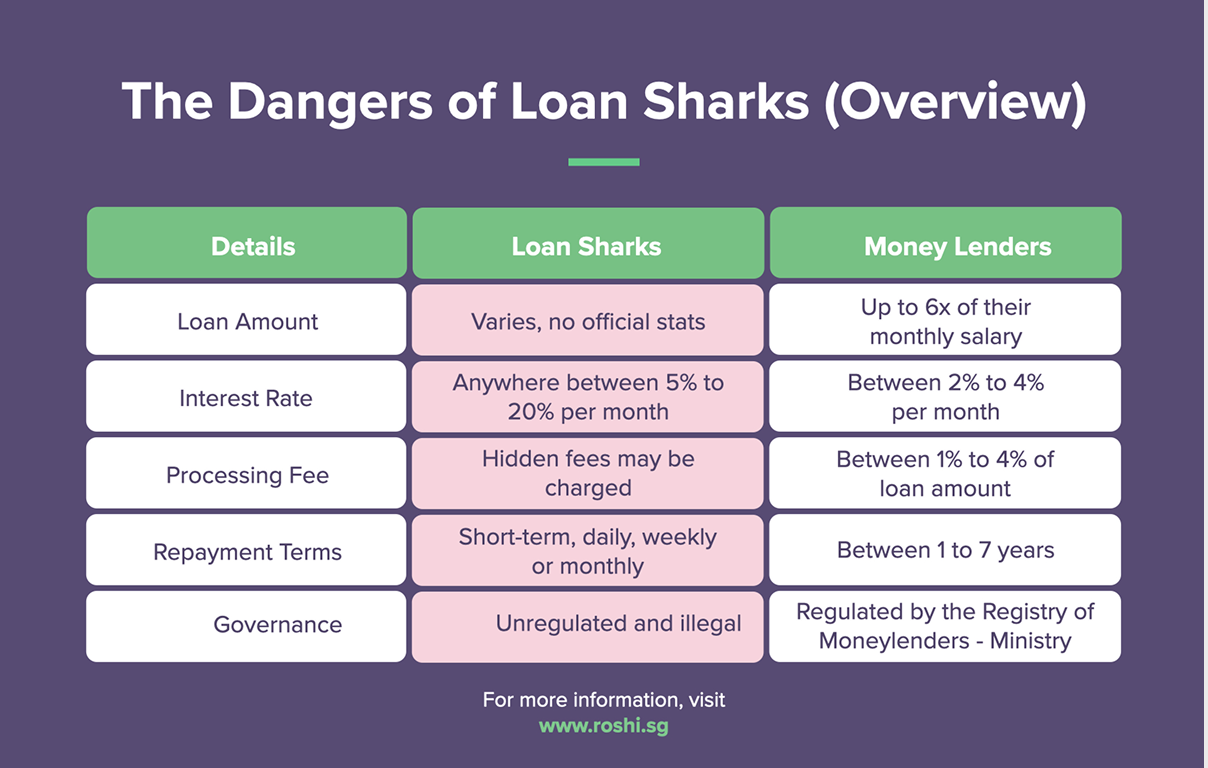
As of March 2026, licensed moneylenders regulated by the Registry of Moneylenders remain a central channel for emergency financing. Average interest rates continue to hover around 3.8% per month, staying just below the legal maximum of 4% monthly. This rate structure commonly applies to emergency loan amounts such as S$2,000, depending on the borrower’s assessed income and repayment capacity.
Although regulations permit borrowing of up to six times a borrower’s monthly salary, emergency loans are often structured at more moderate levels to address specific urgent expenses. Administrative fees remain capped at 10% of the principal, while late payment charges generally do not exceed S$60 per month. Many borrowers begin the application process online to minimise delays but regulatory guidelines still require at least one in‑person visit to a licensed outlet to complete identity verification prior to disbursement. Once verification and documentation checks are finalised, lenders are frequently able to approve and release funds within the same day, preserving responsiveness in time‑sensitive scenarios.
Banks
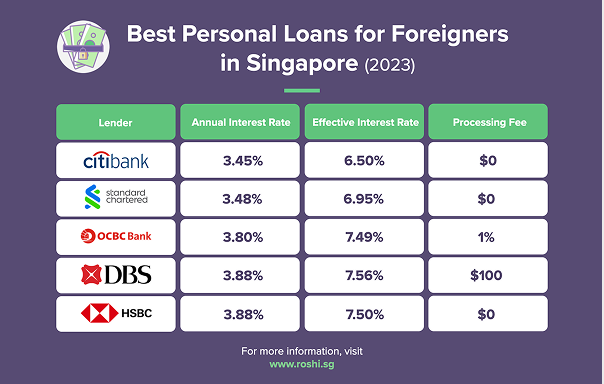
Banks in Singapore do not typically market dedicated emergency loan products, yet unsecured personal loans and revolving credit facilities remain available to qualified applicants. These options generally carry lower Effective Interest Rates compared to licensed moneylenders, particularly when repayment is spread over a longer tenure.
For emergency funding needs in the region of S$2,000, banks may present a cost advantage where timing is flexible. However, application procedures often involve comprehensive credit assessments, additional income documentation and processing periods that can extend over several business days. In genuinely urgent situations, this extended timeline may limit practicality, reinforcing the role of licensed moneylenders in meeting immediate financial demands.
ROSHI Expert Insight
In March 2026, Singapore’s emergency loan landscape continues to underscore the balance between immediacy and overall financing cost. Licensed moneylenders maintain the operational capacity to disburse S$2,000 within compressed timeframes once regulatory checks are satisfied with monthly interest rates remaining close to 3.8% under the capped framework.
From ROSHI’s perspective, emergency loans should be approached with clear intent and defined repayment planning. They are most effective when used to resolve specific, unforeseen situations rather than to manage recurring financial strain. By accessing regulated lenders through ROSHI’s network, borrowers benefit from transparent fee structures and compliance safeguards while responding quickly to urgent needs.
What This Means for Borrowers
For March 2026, borrowers facing unexpected financial pressure will encounter an emergency loan market characterised by stability and regulatory clarity. Licensed moneylenders continue to offer rapid access to funds such as S$2,000, subject to clearly defined interest and fee caps. The mandatory in‑person verification step remains part of the process but generally does not prevent same‑day disbursement when documentation is complete.
Bank alternatives remain relevant for those who can accommodate longer processing timelines in exchange for lower annualised borrowing costs. Ultimately, the appropriate choice depends on urgency, repayment readiness and overall financial resilience. Singapore’s structured regulatory framework continues to provide a safeguard, enabling borrowers to address emergencies with greater confidence and transparency.